

A proposed ballot question that would revive rent control in Massachusetts after a 32 year hiatus could “really shake the real estate market and upend local tax systems, the potential impact on municipal finance of the rent control ballot question is large and underappreciated,” Evan Horowitz, the Executive Director of Center for State Policy Analysis at Tufts University told a panel of state budget writers yesterday.
Horowitz did not take a position for or against the ballot initiative, but only advised of the potential impact.
Rent control advocates recently collected the required signatures to secure a spot on the 2026 ballot after failing to do so in 2024.
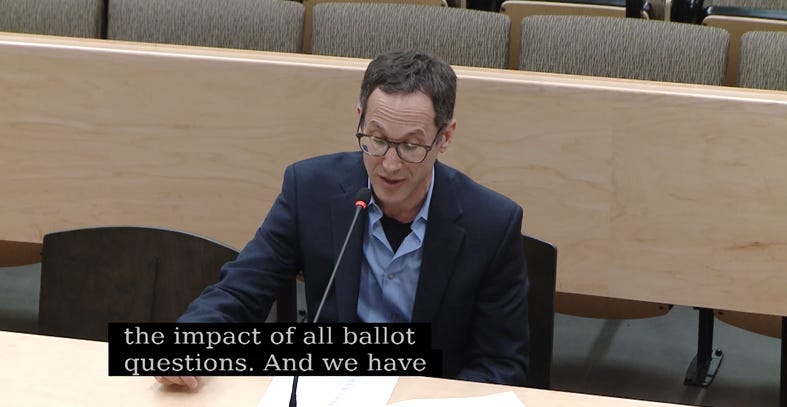
State Representative Samantha Montaño asked Horowitz if the policy would have the same impact if the law required local opt-in rather than statewide mandate: “It would still have an impact in the communities that adopted it, but the communities would be aware of the impact when they were choosing whether to adopt it or not,” Horowitz replied.
“Yes it will still have pretty dramatic impacts on property values and therefore on municipal finances in any community that adopts it,” Horowitz added.
According to the pro-ballot question organization Keep Mass Home “predatory landlords are pushing workers and seniors out of their communities, forcing people to work multiple jobs just to pay the rent, and making it impossible for young people and families to save money for the dream of owning a home.”
“Government imposed rent control was a failed experiment that voters rejected in 1994 for good reason. It made housing more expensive, less available, and far worse in quality” Paul Craney of Mass Fiscal said in August.